Building Inspection Trends to Watch in Australia
Discover the key building inspection trends in Australia shaping workflows, compliance, and productivity for inspectors. Stay ahead with Formitize solutions.
Key Building Inspection Trends Shaping the Industry
The building inspection industry in Australia is changing rapidly. From stricter compliance regulations to the rise of digital workflows, building inspectors are facing new challenges every day. Whether you are a seasoned inspector or just starting, understanding these trends is essential to staying competitive, improving efficiency, and maintaining accuracy on the job.
In this post, we’ll explore the building inspection trends Australia professionals need to watch in 2026, with practical examples and actionable insights.
1. Digital Transformation of Inspection Workflows
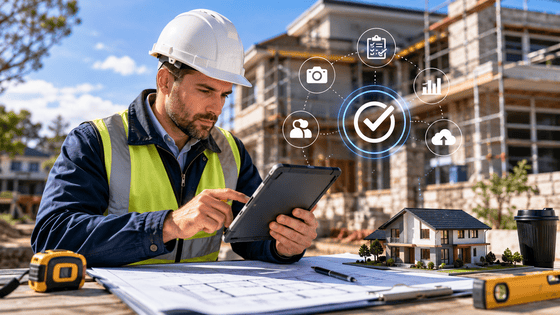
The days of carrying clipboards, paper checklists, and bulky binders are fading fast, allowing inspectors to focus more on on-site assessments by adopting mobile apps and cloud-based platforms that streamline every step of the inspection process.
Real-world example: Imagine arriving at a residential property and instantly accessing previous inspection reports, building plans, and compliance notes on your tablet. With digital checklists, you can mark hazards, add photos, and generate reports on-site, cutting administrative time by hours each week.
Why it matters:
- Faster report generation;
- Reduced human errors; and
- Real-time data sharing with clients and compliance authorities.
Tools like Formitize enable inspectors to digitise workflows, attach images, and auto-generate compliance-ready reports, helping teams save time and reduce errors.
2. Increased Focus on Compliance and Safety Standards
Regulations in Australia are evolving, with stricter safety standards for residential and commercial buildings, making it crucial for inspectors to stay up to date with the latest building codes, energy-efficiency requirements, and safety protocols.
Jobsite insight: During multi-story apartment inspections, even minor oversights in fire safety or structural integrity can result in penalties or liability. Digital platforms make it easier to stay compliant by providing templates and automated checklists aligned with local regulations.
Trend takeaway: Inspectors who use tech solutions are better equipped to ensure compliance and reduce legal risks.
3. Integration of Drones and AI in Inspections
Drones are no longer a luxury; they are becoming a standard tool for inspections, particularly for roofs, facades, and hard-to-reach areas. Coupled with AI, drones can quickly identify cracks, water damage, and structural anomalies.
A building inspector can deploy a drone to capture high-resolution imagery of a roof, and AI-powered software highlights potential problem areas, enabling a more targeted, efficient, and safer inspection process.
Benefits:
- Improved safety for inspectors;
- Faster data collection; and
- More accurate assessments.
Formitize integrates seamlessly with aerial data, letting inspectors attach drone images directly to digital reports.
4. Emphasis on Sustainability and Energy Efficiency
Australian regulations are increasingly emphasising sustainable building practices. Inspectors are now looking at energy efficiency ratings, insulation quality, and sustainable materials.
Practical insight: Inspectors can use checklists to verify solar panel installations, insulation effectiveness, and compliance with energy efficiency codes, providing homeowners and developers with actionable insights.
Trend takeaway: Building inspectors who embrace sustainability checks add value to their services, attract environmentally conscious clients, and align with evolving building standards.
5. Mobile-First and Remote Inspection Capabilities
Field inspections are no longer tied to office-based paperwork. Mobile-first solutions allow inspectors to work anywhere, from remote sites to multi-site commercial projects.
Example scenario: An inspector in a regional area can complete a property inspection, generate a report, and send it to the client without returning to the office. Remote collaboration features enable team members to review and approve reports in real time.
Why it matters:
- Reduces travel time and operational costs.
- Improves client satisfaction with faster delivery.
- Supports flexible, efficient inspection workflows.
Formitize’s mobile platform ensures inspectors have all the tools they need at their fingertips, from checklists to compliance documentation.
6. Data-Driven Insights for Better Decision-Making
Data collection is becoming more sophisticated, allowing inspectors to track recurring issues, monitor property conditions over time, and make predictive assessments.
Industry insight: By analysing historical inspection data, inspectors can advise clients on maintenance schedules or identify patterns that may lead to future compliance issues.
How technology helps: Platforms like Formitize store and analyse inspection data, generating insights that inform decision-making and improve reporting accuracy.
7. The Rise of Client-Facing Digital Reports
Clients now expect more than a PDF or printed report. Interactive, digital reports that include photos, annotations, and clear recommendations are becoming the industry standard.
Example: A property developer receives a fully interactive report on their tablet, with clickable sections, high-resolution images, and compliance summaries. This level of professionalism can differentiate an inspector from competitors.
Trend takeaway: Digital reporting improves transparency, professionalism, and client trust.
Staying on Top of Building Inspection Trends in Australia
The building inspection industry in Australia is evolving quickly. From digital workflows and drone inspections to sustainability and data-driven insights, staying ahead of building inspection trends Australia professionals is essential for efficiency, compliance, and client satisfaction.
Adopting modern tools like Formitize helps inspectors save time, reduce errors, maintain compliance, and deliver high-quality, actionable reports.
Start embracing the future of building inspections today.